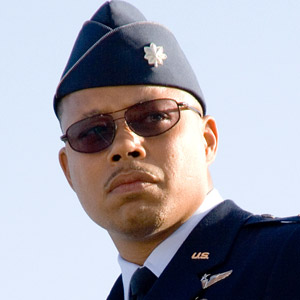
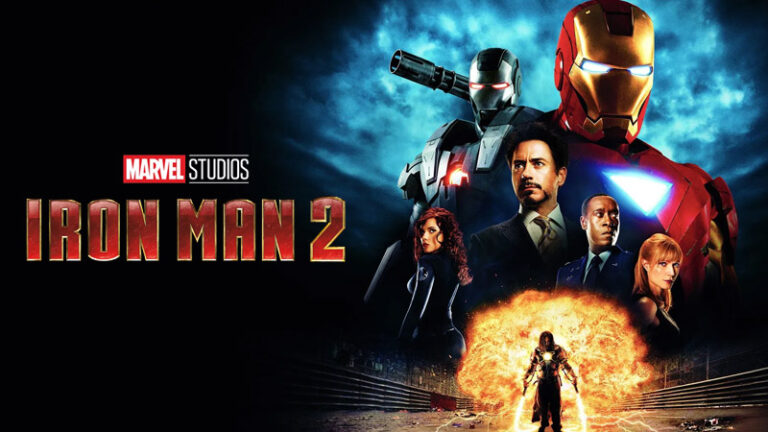
Tony Stark, billionaire genius inventor and charismatic CEO of Stark Industries, lives a glamorous life built on wealth, fame, and the success of his company’s weapons manufacturing empire. While in Las Vegas, he skips an awards ceremony and indulges in partying before traveling to Afghanistan with his close friend Lieutenant Colonel James Rhodes. There, Stark proudly demonstrates the Jericho missile, a devastating new weapon capable of destroying multiple targets with surgical precision. The demonstration is a success, and Stark basks in the admiration of the military and the confidence that his creations protect freedom around the world.
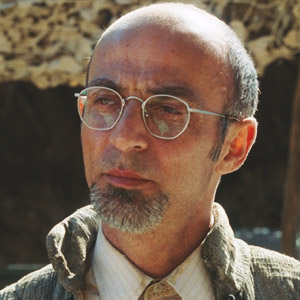
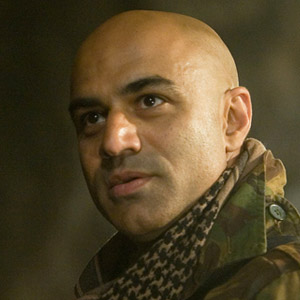
On the return journey through Kunar Province, Stark’s convoy is ambushed by terrorists known as the Ten Rings. Stark is critically wounded when one of his own company’s missiles explodes near him, sending shrapnel into his chest. He awakens in captivity inside a cave, where a fellow prisoner, Dr. Ho Yinsen, has implanted an electromagnet into Stark’s chest to prevent the shrapnel from reaching his heart. The Ten Rings leader, Raza, orders Stark to build a Jericho missile in exchange for his freedom. Realizing the terrorists are lying and intend to kill him regardless, Stark secretly begins working with Yinsen on another project entirely.
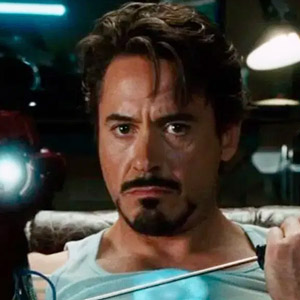
Using scraps and stolen materials, Stark miniaturizes an arc reactor to power the electromagnet in his chest and keep himself alive. He then designs a crude but powerful suit of armor, later known as the Mark I, capable of combat and escape. When the Ten Rings discover the deception, Yinsen sacrifices himself to buy Stark time. Enraged and transformed by Yinsen’s courage, Stark powers up the armor and wages a fiery assault through the cave complex, destroying weapons stockpiles and killing his captors. He finds Yinsen dying, who urges him not to waste his life. Stark escapes into the desert, where the primitive suit crashes and is destroyed. He is later rescued by Rhodes and returned home.
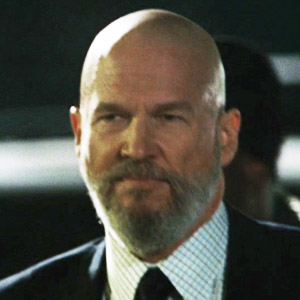
Back in the United States, Stark shocks the world during a press conference by announcing that Stark Industries will cease manufacturing weapons. Having seen firsthand how his inventions have fueled violence and suffering, he rejects the legacy he once embraced. This decision horrifies Obadiah Stane, his father’s longtime partner and the acting manager of Stark Industries, who warns that the move could destroy the company. Ignoring opposition, Stark retreats into his workshop and begins reinventing himself. He upgrades the arc reactor in his chest and constructs a sleek new suit of armor, refining the technology into what will become Iron Man.
At a charity event, reporter Christine Everhart informs Stark that Stark Industries weapons are still being delivered to terrorists and used in attacks, including in Gulmira, the village where Yinsen’s family lived. Furious, Stark confronts Stane but receives no answers. Realizing corruption runs deeper than he thought, Tony dons the completed Mark III armor and flies to Afghanistan. There, he destroys terrorist convoys, liberates civilians, and saves Gulmira from slaughter. On his return flight, U.S. military radar detects the armored figure, and two F-22 Raptors are sent to intercept him. Tony contacts Rhodes mid-flight, forcing him to awkwardly call off the attack without revealing the truth.
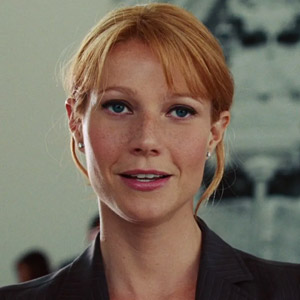
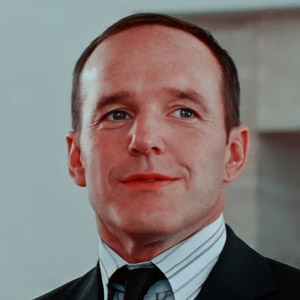
Meanwhile, the Ten Rings recover fragments of Stark’s original Mark I armor and attempt to trade them to Obadiah Stane. It is revealed that Stane secretly arranged Tony’s kidnapping in order to seize control of the company. He double-crosses the terrorists, has them murdered, and takes the armor remnants for himself. Back in America, Stark asks his assistant Pepper Potts to access Stane’s computer files. She discovers evidence of illegal weapons trafficking and confirmation that Stane orchestrated the assassination attempt in Afghanistan. Pepper brings the information to Agent Phil Coulson of the Strategic Homeland Intervention, Enforcement and Logistics Division—S.H.I.E.L.D.—who begins moving against Stane.
Unable to replicate Tony’s genius, Stane’s scientists fail to power the giant armor he is building from the Mark I design. Realizing only Tony’s arc reactor can complete it, Stane ambushes Stark at home, paralyzes him with a sonic device, and tears the upgraded reactor from his chest. Left to die, Tony barely survives by reinstalling the original reactor Yinsen helped build. Pepper and Coulson’s agents try to arrest Stane, but he escapes in his completed Iron Monger armor, a massive and heavily armed war machine.
Tony confronts Stane in the skies and streets of Los Angeles. Though the Iron Monger is physically stronger, Tony uses speed and ingenuity to survive. Running low on power, he lures Stane to the Stark Industries headquarters rooftop and instructs Pepper to overload the building’s large arc reactor. The resulting energy surge electrocutes Stane and causes the Iron Monger suit to fall into the exploding reactor below, killing him and ending the threat.
The following day, the media dubs the mysterious armored hero “Iron Man.” Agent Coulson gives Tony a carefully prepared cover story to explain the previous night’s events. Standing before the press, Tony begins reading the script—but then tosses it aside and, with characteristic swagger, declares, “I am Iron Man.” The world is stunned as reporters erupt with questions, while Rhodes can only stare in disbelief.
Later that night, Tony returns home to find Nick Fury waiting for him in the dark. Fury tells Stark that he has become part of a much larger world and that Iron Man is not the only superhero in existence. He then proposes discussing something called the Avengers Initiative.