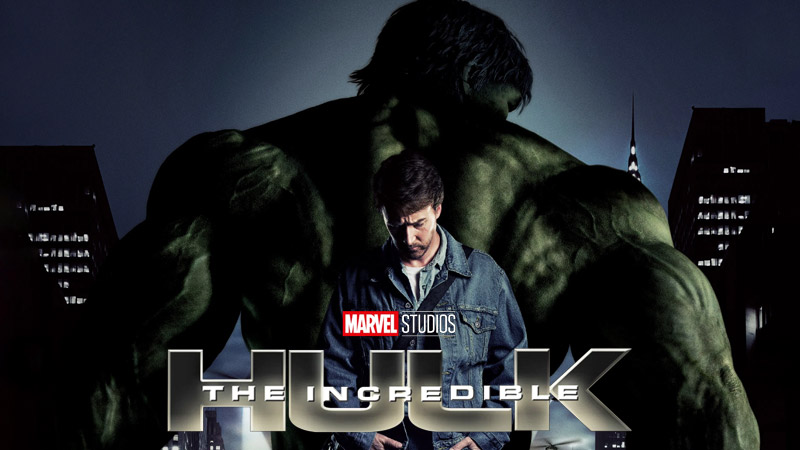
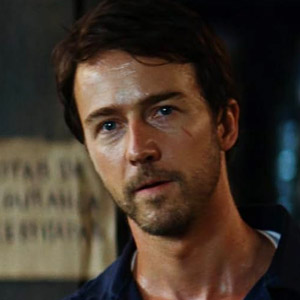
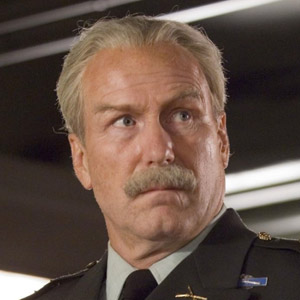
Five years ago, brilliant scientist Bruce Banner is exposed to a massive dose of gamma radiation during an experiment intended to recreate the Super Soldier program. Instead of success, the experiment turns him into a powerful, uncontrollable creature—the Hulk. During his first transformation, he unintentionally injures his lover, Betty Ross, bringing him to the attention of her father, General Thaddeus Ross. Obsessed with weaponizing Banner’s condition, Ross relentlessly pursues him, forcing Banner into years of isolation and exile.
Banner eventually finds refuge in the slums of Rocinha, Brazil. There, he lives a quiet, anonymous life working at a soft drink bottling factory. He carefully monitors his heart rate, knowing that heightened emotion triggers his transformation. Through disciplined breathing techniques and martial arts training, he maintains control, having gone five months without incident. At the same time, he secretly communicates with a mysterious online contact known as “Mr. Blue,” who is helping him search for a cure.
This fragile stability collapses when Banner cuts his finger at work. A single drop of his blood contaminates a soda bottle that is later shipped to Milwaukee. The consumer who drinks it becomes severely ill, alerting authorities. Using this clue, Ross tracks Banner to Brazil and sends a strike team led by elite British operative Emil Blonsky.
The raid on the bottling plant quickly spirals out of control. Cornered and terrified, Banner’s pulse spikes, triggering his transformation into the Hulk. The Hulk easily overwhelms the soldiers, displaying immense strength and speed. During the chaos, he also crushes a group of local thugs, including one who had previously antagonized Banner. Blonsky, unlike the others, survives long enough to witness the Hulk up close, becoming fascinated rather than afraid. As the Hulk escapes, he hurls a forklift at Blonsky, nearly killing him.
Banner flees to Central America and eventually returns to the United States, seeking both a cure and closure. He reunites with Betty at Culver University, where she is now involved with psychiatrist Leonard Samson. Despite the time apart, their emotional connection remains strong. Banner takes a job as a delivery driver to stay close while continuing his research.
Meanwhile, Blonsky, now obsessed with matching the Hulk’s power, convinces Ross to let him undergo an experimental variation of the Super Soldier serum. The treatment enhances his physical abilities—speed, strength, reflexes—but also begins to distort his personality, increasing his aggression and recklessness.
Blonsky leads a second assault on Banner at Culver University. The confrontation escalates into a full-scale battle as Banner again transforms into the Hulk. The Hulk defeats the military forces with ease, but notably shows restraint, even saving Betty from harm and protecting her father from an explosion. This hints at the humanity still within him. Afterward, Hulk carries Betty to safety in the Smoky Mountains, where Banner reverts to human form.
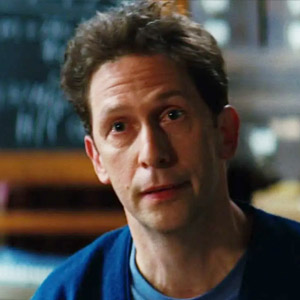
Determined to end the curse, Banner and Betty travel to New York City to meet “Mr. Blue,” revealed as cellular biologist Samuel Sterns. Sterns claims to have developed an antidote capable of neutralizing the Hulk. Banner agrees to undergo the procedure, despite the risks. Under controlled conditions, Sterns induces a transformation and successfully reverses it, giving Banner hope that he may finally be cured.
However, Sterns reveals a troubling secret: he has synthesized Banner’s gamma-irradiated blood into a large supply, believing it represents the next step in human evolution and could cure diseases worldwide. Banner is horrified, warning of the catastrophic consequences. Before he can act, Ross’ forces storm the lab and capture him.
Blonsky, increasingly unstable and hungry for power, confronts Sterns and demands to be infused with Banner’s blood. Sterns warns that combining gamma radiation with the Super Soldier serum could produce a monstrous, uncontrollable result—an “abomination.” Blonsky ignores the warning. The procedure mutates him into a grotesque, massively powerful creature: the Abomination.
The Abomination immediately goes on a destructive rampage through Harlem, relishing chaos and seeking a worthy opponent. Realizing that only the Hulk can stop him, Banner persuades Ross to release him. In a desperate act, Banner leaps from a helicopter, trusting that the fall will trigger his transformation. It does—and Hulk emerges to confront Abomination.
The ensuing battle devastates Harlem. Unlike the Hulk, who shows moments of restraint, Abomination fights with calculated cruelty, even threatening Betty to provoke his opponent. Ultimately, Hulk overpowers him in a brutal fight, nearly killing him before Betty intervenes. Choosing mercy, Hulk spares Abomination, who is taken into custody.
Despite saving countless lives, Hulk remains a fugitive. Banner once again disappears, accepting that he cannot escape what he is. Thirty-one days later, he is in Bella Coola, British Columbia, where he begins to embrace control rather than suppression. In a final moment, he successfully triggers a controlled transformation, suggesting growth and acceptance.
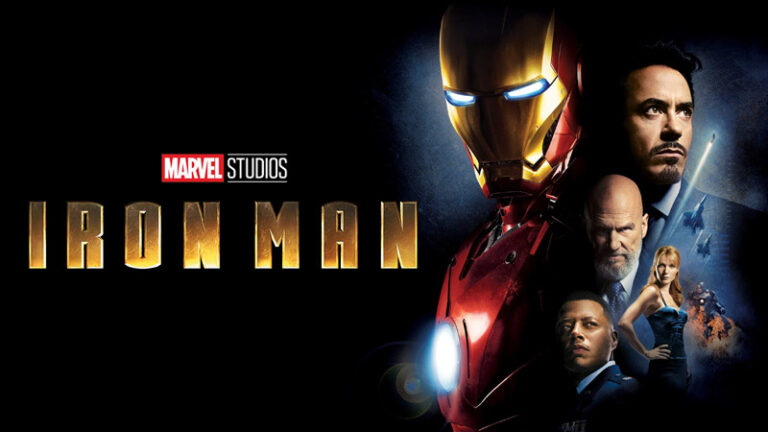
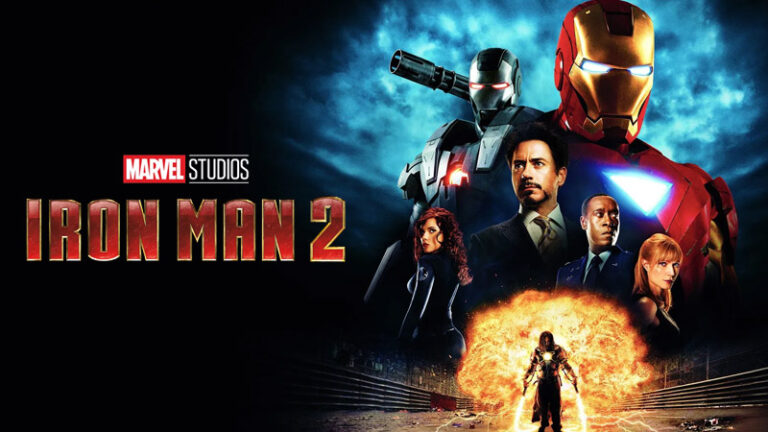
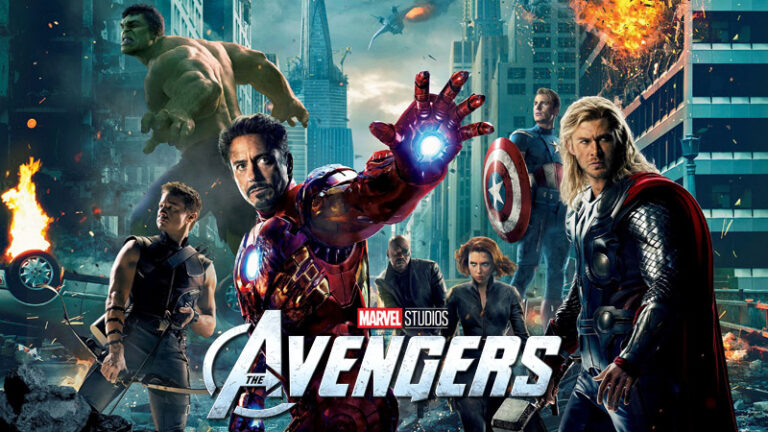
Meanwhile, in a bar, a defeated and reflective General Ross is approached by Tony Stark. Stark references the recent events and hints at a larger plan—a “team” being assembled—setting the stage for the future of the Marvel Cinematic Universe.