
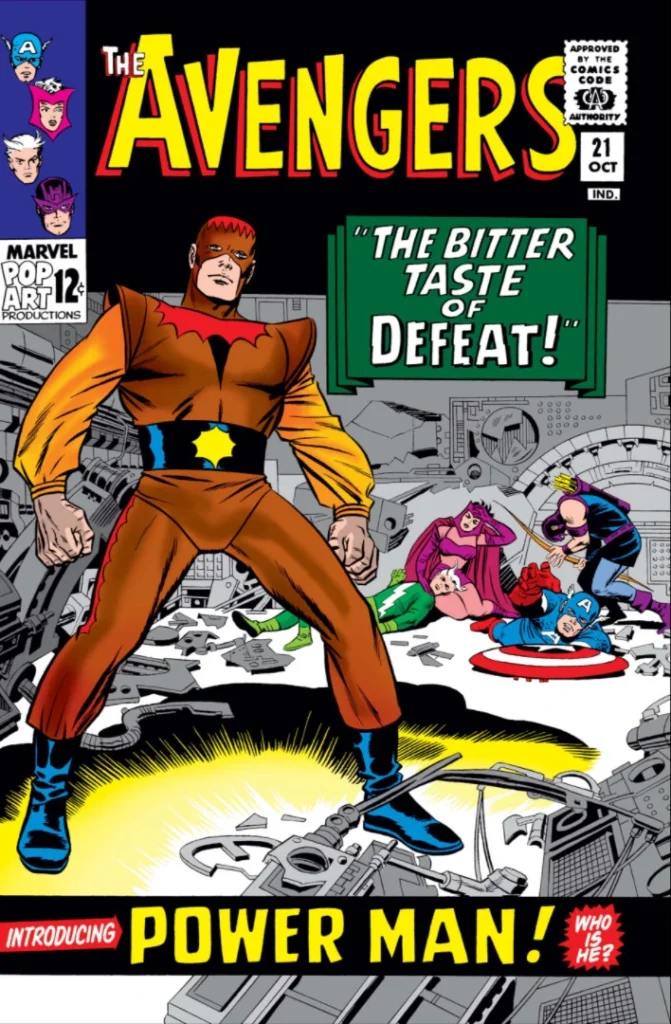
AVENGERS #21
When the Enchantress recruits a powerful new ally, the Avengers find themselves facing a threat that could destroy their reputation and bring their team to an end. Erik Josten, a former associate of Baron Zemo, gains superhuman strength through the same process that created Wonder Man and becomes Power Man. Working with the Enchantress, he orchestrates a series of deceptions that make the Avengers appear dangerous and incompetent. As the public turns against them, the heroes struggle to uncover the truth. With the city council demanding their disbandment, the Avengers must confront their greatest challenge yet: saving their name and their future.
CREATORS
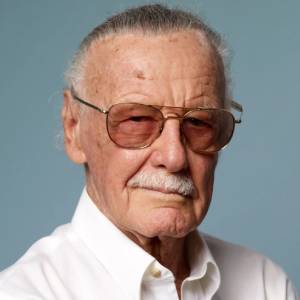
STAN LEE
WRITER/EDITOR
DON HECK
PENCILLER
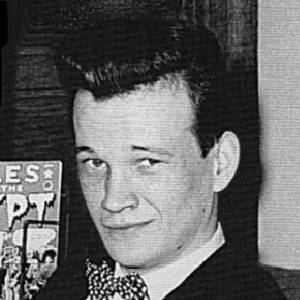
WALLY WOOD
INKER
STAN GOLDBERG
COLORIST (UNCREDITED)
ARTIE SIMEK
LETTERER
CHARACTERS
MAIN CHARACTERS
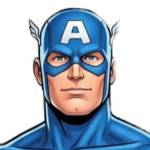
CAPTAIN AMERICA
STEVE ROGERS

HAWKEYE
CLINT BARTON

QUICKSILVER
PIETRO MAXIMOFF

SCARLET WITCH
WANDA MAXIMOFF
ANTAGONISTS
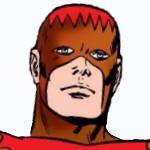
POWER MAN
ERIK JOSTEN
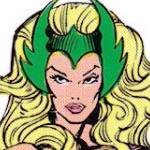
ENCHANTRESS
AMORA
THE BITTER TASTE OF DEFEAT!
In the early months of their existence, the Avengers have overcome every challenge, establishing themselves as one of the world's greatest superhero teams. However, tensions are growing between Captain America and Hawkeye. When Hawkeye attempts to repair a faulty fuse in Avengers headquarters, Captain America reprimands him for tampering with Tony Stark's expensive equipment. Hawkeye argues that the team should be able to handle simple repairs without relying on Stark, but Cap insists that the equipment must be protected. Their disagreement quickly becomes personal, with Hawkeye insulting Captain America's age and leadership abilities.
Quicksilver intervenes before the two can come to blows, reminding Hawkeye that Captain America has defeated better fighters. Scarlet Witch then points out that Hawkeye's hostility stems from jealousy because he wants to lead the Avengers himself. Hawkeye readily admits that he considers himself a better leader, prompting Wanda to declare that she would support her brother instead. When Hawkeye insults them both, Scarlet Witch loses her temper and unleashes her hex power. Captain America reprimands her for risking injury to a teammate, and the heroes eventually agree to retire for the night, their tempers still running high.
Meanwhile, in the Amazon jungle, Erik Josten, a former soldier of fortune employed by the late Baron Zemo, struggles to survive. Since Zemo's death, Josten has remained behind while the other mercenaries abandoned their South American base. With his ammunition dwindling and an injured leg limiting his mobility, he has spent months digging through the ruins in search of Zemo's hidden laboratory. At last, he discovers the chamber containing the machinery that transformed Simon Williams into Wonder Man. Although Josten has no scientific knowledge, he realizes that the equipment might grant him the power he needs.
The Enchantress, an immortal sorceress from Asgard who previously allied herself with Zemo and the Executioner, decides to make another attempt at defeating the Avengers. Remembering how close Wonder Man came to destroying the team, she travels to Josten's location and offers to use Zemo's machinery to give him comparable abilities. Josten eagerly accepts, and the experiment transforms him into a superhuman powerhouse, healing his injured leg and granting him tremendous strength. The Enchantress provides him with a costume and names him Power Man, intending him to become the new champion of the Masters of Evil. Josten cares little about the name, so long as he can enjoy his newfound power. After confirming that he shares her hatred of the Avengers, the Enchantress begins plotting their downfall.
Back at Avengers headquarters, Captain America receives an urgent report from the Teen Brigade about a gigantic monster running loose on Sutton Place. The Avengers investigate, but Hawkeye's blast arrow passes straight through the thirty-foot apparition, destroying a car behind it. Scarlet Witch attempts to stop the figure with her hex power, causing a nearby tenement building to collapse. Captain America suspects the creature is an illusion, and when his shield also passes harmlessly through it, the apparition vanishes. The police arrive and accuse the Avengers of causing the destruction, insisting that nobody else reported seeing a monster. Watching from a nearby window, the Enchantress congratulates Power Man on successfully making the heroes appear reckless and dangerous.
The following day, the Avengers are forced to pay for the damage using their dwindling emergency funds. Their troubles continue when Quicksilver intercepts a radio message reporting that someone has sabotaged subway tracks. Captain America sends him to investigate, and the speedster discovers steel rails twisted into an impossible shape, with a train approaching. Before he can stop it, Power Man attacks him from behind and knocks him unconscious. Captain America, Hawkeye, and Scarlet Witch arrive to find Quicksilver lying across the tracks in the path of an apparently empty runaway train. Realizing there are no passengers aboard, Scarlet Witch urges Hawkeye to act. He fires a blast arrow and destroys the train, saving Quicksilver but leaving the Avengers facing more accusations of property damage.
The Enchantress reveals that she deliberately arranged the subway disaster, using magic to twist the tracks and send an empty train hurtling toward Quicksilver. With the Avengers repeatedly blamed for the destruction they prevent, their public reputation begins to collapse. Newspapers portray them as irresponsible menaces, and Captain America recognizes that someone is orchestrating a campaign to discredit the team. However, he lacks evidence to identify the culprit. Hawkeye continues to ridicule Cap's leadership, provoking another argument that further exposes the team's internal divisions. Although Hawkeye privately realizes that he has been unfair to Captain America, his pride prevents him from admitting it.
The Enchantress next arranges a confrontation designed to make Captain America appear to be a criminal. She directs Power Man to attack a vehicle carrying important documents outside Westchester, then uses her magic to draw Captain America's attention to the scene. Power Man smashes the vehicle with a boulder and overpowers two guards who attempt to intervene. Captain America discovers that the supposed guards are actually criminals in disguise and confronts Power Man, believing him responsible for the attempted theft. However, the Enchantress secretly interferes with Cap's reflexes, disrupting his timing and preventing him from using his shield effectively. Power Man exploits the disadvantage, eventually knocking Captain America unconscious. Witnesses mistakenly believe Cap attacked the man who stopped the robbery, further damaging the Avengers' reputation.
The next morning, Captain America explains that Power Man manipulated him, but Hawkeye responds with more sarcasm. Despite their bickering, Cap insists that Power Man is behind their recent troubles. As the mayor demands an explanation for Captain America's behavior, the Enchantress arranges for a rented mansion to be identified in the newspapers as Power Man's residence, hoping to lure the Avengers into another trap.
Hawkeye investigates the mansion alone, determined to avenge Captain America's humiliation despite their strained relationship. Inside, Power Man emerges from the darkness and crushes Hawkeye's arrows with ease. The archer reveals that he has kept one extra arrow hidden, but Power Man welcomes the challenge, confident that Hawkeye's weapons cannot match his superhuman strength. Meanwhile, Quicksilver and Scarlet Witch attend a performance of Dolly. Quicksilver secretly leaves to confront Power Man, while Wanda independently decides to investigate the villain.
Hawkeye demands to know how Power Man recognized the disguised criminals in Westchester. Power Man mocks the archer and boasts that the Avengers are no match for him. When Quicksilver arrives and attacks at high speed, Power Man struggles to land a direct blow. However, he tears an iron water pipe from the ground and unleashes a powerful torrent of water. Unable to stop in time, Quicksilver runs directly into the blast and is knocked unconscious. Power Man celebrates his victory, while the Enchantress warns him not to become overconfident, reminding him that Wonder Man's strength was not enough to defeat the Avengers.
Shortly afterward, Scarlet Witch arrives but is intercepted by the police, who have been summoned by Power Man on the grounds that the Avengers trespassed on his property. The officers reveal that Hawkeye and Quicksilver have already been arrested. Wanda realizes she has fallen into the same trap and is taken into custody. The Enchantress watches with satisfaction as the Avengers are humiliated and treated like common criminals, confident that their public disgrace will be more damaging than any physical defeat.
The public outcry culminates in an emergency city council meeting. Politicians cite the destruction, the arrests, and the negative media coverage as evidence that the Avengers have become a threat to public safety. Despite the team's record of defending the city, the council unanimously declares the Avengers a public menace and issues a court order forcing them to disband. For the first time since their formation, the heroes face the possibility of being legally prohibited from continuing their mission.
The Avengers gather to confront their uncertain future. Quicksilver argues that they must obey the court order, while Hawkeye blames Captain America for leading the team into disaster. Scarlet Witch urges Hawkeye to stop assigning blame, but Captain America accepts much of the responsibility himself. He reflects that the Avengers were at the height of their power and prestige when he assumed command, yet now their reputation is ruined and their future is uncertain. Hawkeye finally acknowledges that they are all responsible for what has happened. As the once-triumphant heroes contemplate their possible dissolution, they begin to question whether they were truly prepared for the burden of being Avengers.
REVIEW
AVENGERS #21 delivers a compelling Silver Age adventure that challenges the Avengers in an unusual way. Rather than relying solely on physical force, the Enchantress devises a scheme to destroy the team's reputation by manipulating public perception and making the heroes appear dangerous. Her plan introduces a different kind of conflict, forcing the Avengers to contend with distrust from the very people they have sworn to protect. Although the premise is promising, the story's repeated deception sequences become somewhat predictable, preventing the plot from reaching its full potential.
The artwork captures the energetic, theatrical style associated with mid-1960s Marvel comics. The action sequences provide plenty of superhero spectacle, while the characters' expressions and body language help convey the growing frustration within the team. Power Man's superhuman strength makes him an imposing physical threat, and the Enchantress's illusions create opportunities for visually interesting confrontations. Although some panels feel crowded as the story moves rapidly between incidents, the artwork remains effective at communicating the action and escalating tension.
Characterization is one of the issue's stronger elements, particularly through the friction between Captain America and Hawkeye. Their disagreement highlights Hawkeye's insecurity and resentment over Cap's leadership, creating tension that extends beyond the external threat. Scarlet Witch and Quicksilver also contribute to the team's interpersonal drama, while Wanda's affection for Captain America adds a personal dimension to the story. The Enchantress proves an effective manipulator, and Erik Josten's transformation into Power Man introduces a formidable new adversary. However, the villains receive limited development beyond their immediate objectives.
The dialogue and pacing are functional but inconsistent. The exchanges between the Avengers establish their differing personalities and reinforce the team's internal divisions, although some conversations rely too heavily on exposition and melodrama. The plot moves briskly through a succession of staged disasters and confrontations, steadily turning public opinion against the heroes. Unfortunately, the repeated pattern of deception followed by an encounter with Power Man makes portions of the story feel formulaic. The action is entertaining, but the rapid progression leaves little room for deeper character exploration or a more nuanced examination of the central premise.
Ultimately, AVENGERS #21 is a solid, if imperfect, installment that emphasizes the vulnerability of superheroes when their public trust is compromised. Power Man's debut and the Enchantress's campaign against the team give the issue some historical significance, while the city council's demand that the Avengers disband provides an effective cliffhanger. Its ideas about reputation and public distrust are interesting, but they are not explored deeply enough to make the story particularly innovative or memorable. With energetic artwork, engaging team conflict, and entertaining action balanced against repetitive plotting and uneven pacing, the issue stands as a worthwhile example of mid-1960s Avengers storytelling.
NOTES
This issue marks the first appearance of Power Man (Erik Josten), a soldier of fortune who worked for Baron Zemo in the Amazon jungle and underwent the same experimental procedure that transformed Simon Williams into Wonder Man. Josten recounts the end of his employment with Zemo, Zemo's death, and the destruction of his South American base by Captain America, events originally depicted in AVENGERS #15 (1965).
References are made to Baron Zemo's creation of Wonder Man which originate in AVENGERS #9 (1964). The device used to transform Josten into Power Man is the same one Zemo used to turn Simon Williams into Wonder Man. However, this story does not explain why the device made Wonder Man dependent on receiving an antidote every 24 hours, the absence of which ultimately led to his apparent death in that earlier issue.