
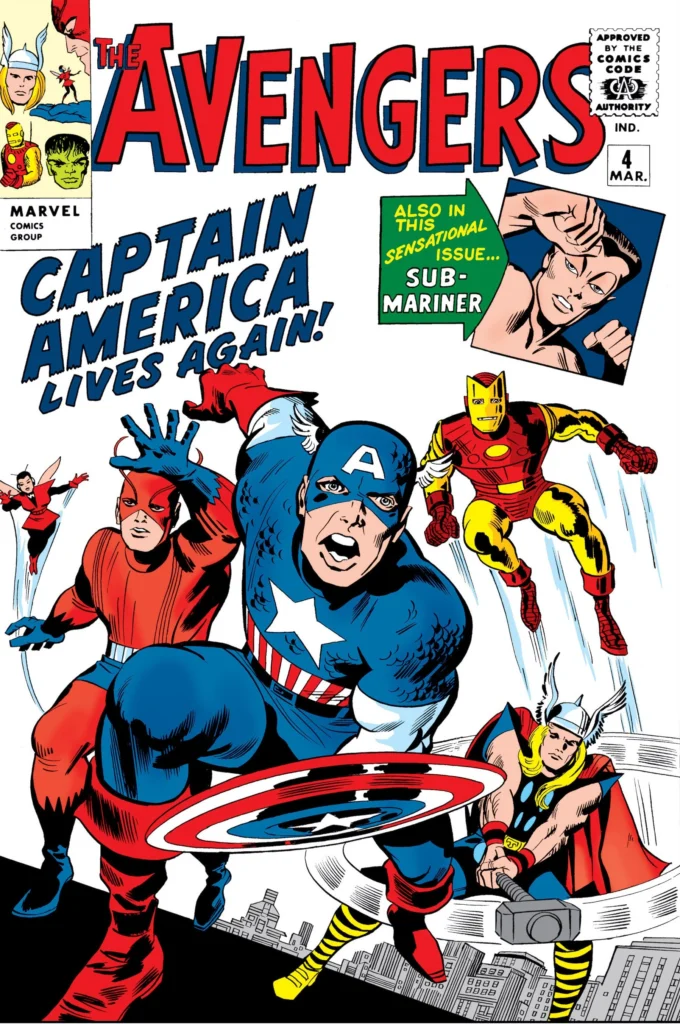
AVENGERS #4
After the Avengers' battle with Namor and the Hulk leaves Sub-Mariner defeated and enraged, the ruler of Atlantis retreats into the ocean depths seeking revenge against humanity. His actions unknowingly set in motion the return of a legendary hero when he discovers a mysterious figure frozen in ice and casts it into the sea. When the Avengers recover the frozen man, they make an astonishing discovery—the long-lost Captain America has returned! As Steve Rogers struggles to adapt to a world twenty years beyond his own, the Avengers must battle Namor, uncover a bizarre alien mystery, and welcome a hero from the past into their ranks.
CREATORS
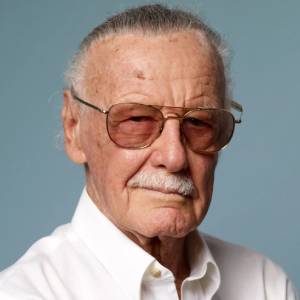
STAN LEE
WRITER/EDITOR

JACK KIRBY
PENCILLER
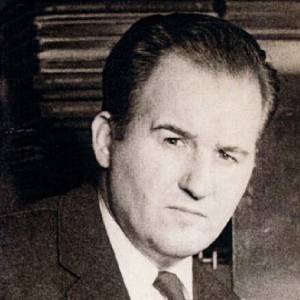
GEORGE ROUSSOS
INKER (UNCREDITED)

STAN GOLDBERG
COLORIST (UNCREDITED)

ARTIE SIMEK
LETTERER
CHARACTERS
MAIN CHARACTERS

CAPTAIN AMERICA
STEVE ROGERS

IRON MAN
ANTHONY 'TONY' STARK
THOR
THOR ODINSON/DONALD BLAKE
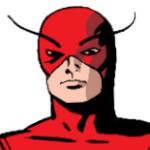
GIANT-MAN
HENRY 'HANK' PYM

WASP
JANET VAN DYNE
ANTAGONISTS

NAMOR THE SUB-MARINER
NAMOR MCKENZIE

VUK
VUK
SUPPORTING CHARACTERS

RICK JONES
RICHARD 'RICK' JONES
ANCILLARY CHARACTERS

BUCKY
JAMES BUCHANAN BARNES

BARON ZEMO
HEINRICH ZEMO

HULK
ROBERT BRUCE BANNER
CAPTAIN AMERICA JOINS... THE AVENGERS!
Following their epic confrontation with the Hulk in the previous issue, the Avengers find themselves unable to capture their powerful adversary. With the Hulk having escaped, Sub-Mariner realizes that he has been defeated and retreats into the ocean depths, his anger toward humanity stronger than ever. Namor, convinced that the surface world has betrayed him and determined to reclaim his former glory, vows that mankind will one day recognize his superiority as the rightful ruler of Atlantis.
However, as Namor searches the ocean for the vanished Atlanteans who abandoned him, he finds only loneliness and frustration. His once-great kingdom has rejected him because they believed his alliance with humans divided his loyalty. Driven by bitterness and desperation, Namor continues his search until he eventually reaches the frozen waters of the North Sea. There, he discovers a group of Eskimos performing a strange ritual around a mysterious figure trapped inside a massive block of ice. Believing the frozen figure to be some sort of supernatural idol, the Eskimos pray to it for protection.
Namor quickly realizes that the object of their worship is actually a human figure frozen within the ice. Furious that humans would revere such a helpless object, Namor reveals himself and declares that the figure is nothing compared to the power of the Sub-Mariner. To demonstrate his dominance, he hurls the frozen block into the ocean and tells the Eskimos to spread the word that Namor has returned and will one day make humanity bow before him. However, after his outburst, Namor is left feeling ashamed that his vengeance has been reduced to frightening helpless villagers. In a moment of rage and frustration, he unleashes his strength, causing an avalanche of ice and sending the frozen figure drifting away into the sea.
Unknown to Namor, the block of ice carries a secret from America's past. The frozen figure is carried by ocean currents until it reaches warmer waters, where the ice slowly melts away. The figure inside remains alive, preserved in a state of suspended animation for decades. Eventually, the drifting body is discovered by the Avengers' underwater vessel while they are returning from their search for the Hulk.
Thor notices something unusual outside the ship, and the Avengers investigate. Giant-Man retrieves the mysterious frozen man from the ocean, and the team quickly realizes that the figure is wearing a familiar red, white, and blue costume. The distinctive shield, helmet, and letter "A" reveal the unbelievable truth—the man they have found is none other than Captain America, the legendary World War II hero who disappeared more than twenty years earlier.
As the Avengers examine the frozen hero, they discover that he is still alive. Suddenly awakening from suspended animation, Captain America bursts into action, believing he is still fighting alongside his teenage partner Bucky. Confused and overwhelmed by memories of his final mission, Steve Rogers attacks the Avengers, shouting that he must save Bucky. The heroes attempt to restrain him, but his fighting ability quickly proves that he is indeed the legendary Captain America.
After his initial confusion fades, Steve realizes that Bucky is gone and that he has awakened in an entirely different era. Seeing the Avengers surrounding him, he struggles to understand who they are and how he has survived. The team questions how he can still look young after disappearing during World War II, leading Captain America to explain the incredible circumstances surrounding his disappearance.
Through a flashback, Steve reveals that more than two decades earlier, he and Bucky were serving as security guards at an American military base during World War II. They discovered that a drone aircraft carrying explosives was about to launch and attempted to stop it. The villainous Baron Zemo had secretly arranged the plot, intending either to destroy the aircraft or eliminate Captain America and Bucky in the process.
Captain America and Bucky pursued the drone plane, but Bucky managed to reach it first. Steve desperately warned his young partner not to continue because the plane could be booby-trapped. However, Bucky believed he could disable the bomb in time. As Captain America watched helplessly, the explosive device detonated. Bucky was seemingly killed in the explosion, and Steve plunged into the ocean below, devastated by the loss of his closest friend.
Steve explains that he remembers falling into the freezing waters and seeing Bucky's face as the last thing before losing consciousness. He believes that he must have become trapped inside an iceberg, where he remained frozen for decades without aging. The Avengers accept his explanation and realize that they have discovered one of the greatest heroes in history.
After Captain America rests aboard the Avengers' ship, the team prepares to return to shore. Upon arrival, they are greeted by reporters eager to hear about their failed mission to capture the Hulk. However, before they can reveal Captain America's return, a mysterious flash of light erupts. When the smoke clears, the Avengers appear to have vanished, replaced by four stone statues.
The press assumes the Avengers have played a prank to avoid interviews and leaves in frustration. Meanwhile, Captain America awakens below deck and emerges to find the ship abandoned. Confused, he notices the statues but assumes they are merely monuments honoring the Avengers. Believing he has been left behind, Steve begins exploring this unfamiliar modern world.
Walking through New York City, Captain America marvels at the changes that have occurred during his absence. He notices modern automobiles, new architecture, television, and changing fashions. While much of the world feels unfamiliar, he recognizes that the city still carries the same energy and spirit he remembers. Eventually, a police officer recognizes him as the hero he admired as a child and confirms that the world believed Captain America had died decades earlier.
Later, Captain America struggles emotionally with his return. Without Bucky, he feels disconnected from the modern world and wonders whether there is still a place for Captain America. As he sleeps, he is startled awake by someone entering the room. Believing Bucky has somehow returned, Steve is shocked to discover that the visitor is actually Rick Jones, the young ally of the Hulk.
Rick explains that he has been searching for the missing Avengers and followed their trail to Captain America. Steve immediately notices that Rick looks and sounds remarkably similar to Bucky, reminding him of his lost partner. Although Rick thinks Steve is confused, Captain America realizes that life must continue and that his memories of Bucky can inspire him rather than hold him back.
Determined to help Rick locate the Avengers, Captain America studies photographs taken at the docks. He notices that one image contains evidence of a strange weapon that does not belong to any ordinary photographer. Working with Rick and the Teen Brigade, Steve begins searching for the mysterious figure responsible for the Avengers' disappearance.
The investigation leads Captain America and Rick to a group of criminals working with a strange, masked individual. Captain America bursts into action, defeating the armed criminals with his legendary combat skills and shield. The criminals quickly surrender, admitting they have never encountered anyone like him. Captain America then confronts their leader and discovers that he is not human but an alien being.
The alien reveals that he arrived on Earth centuries earlier after his spacecraft crashed beneath the ocean. Although he came peacefully, humans feared him and attacked him. In self-defense, he used a ray gun that temporarily turned people into stone. Captain America realizes that the alien's appearance and powers may have inspired the ancient Greek legend of Medusa, whose gaze supposedly turned men to stone.
The alien admits that he was manipulated by Namor, who promised to help free his buried spacecraft if he agreed to use his ray on the Avengers. Captain America convinces the alien to reverse the effects of the ray and restore the Avengers, promising that he will honor his word and help free the spacecraft.
The Avengers are successfully restored, and the alien leads them to the location of his buried vessel. Using Thor's immense power, the team frees the spacecraft from the ocean floor. With his ship recovered, the alien prepares to leave Earth, grateful that the Avengers kept their promise.
Before the alien departs, however, Namor launches another attack. Having learned that his plan failed, the Sub-Mariner returns with a group of Atlantean warriors, whom he has recently reconnected with, determined to destroy the Avengers once and for all. The surprise attack catches the team off guard, scattering them and forcing each hero into individual battles.
Iron Man battles Namor directly but quickly discovers that the Sub-Mariner's strength is overwhelming. Even his powerful repulsor weapons struggle against Namor's incredible durability. The Wasp comes to Iron Man's aid by shrinking and distracting Namor, allowing him to survive the encounter.
Meanwhile, Thor battles Namor's Atlantean forces and proves nearly unstoppable. The Atlantean weapons are useless against Thor's enchanted hammer, which redirects their attacks back toward them. Namor challenges Thor directly, attempting to prove his strength by lifting Mjolnir, but he fails because of the hammer's enchantment.
During the chaos, Giant-Man is captured by Atlantean soldiers but escapes by using a shrinking capsule, temporarily becoming Ant-Man. He later returns to Giant-Man size and helps Iron Man defeat the remaining attackers.
Captain America observes the Avengers' abilities throughout the battle, impressed by their courage and teamwork. Rather than immediately fighting, he studies this new generation of heroes, realizing that although the world has changed, the spirit of heroism remains the same.
When Namor takes Rick Jones hostage, Captain America finally enters the battle. Seeing the boy in danger awakens Steve's heroic instincts, and he confronts Namor directly. Although Namor is physically stronger, Captain America proves that skill, strategy, and determination can overcome raw power.
Before the fight can continue, a massive explosion erupts beneath the island. Namor believes the destruction has killed the Avengers and retreats, believing he has finally defeated his enemies. However, the explosion is actually caused by the alien spacecraft launching from beneath the ocean. The alien's departure inadvertently saves the Avengers from Namor's attack.
With the battle over, Captain America helps rescue Rick Jones, and the Avengers recognize the qualities that make Steve Rogers a true hero. Impressed by his courage, leadership, and integrity, the team offers him membership. Captain America accepts, declaring that he has seen their bravery and believes they are worthy allies.
The issue concludes with a historic moment as the Avengers officially welcome Captain America into their ranks. However, Rick Jones worries about what will happen when the Hulk returns and discovers that Captain America has taken his place on the team. Despite the uncertainty ahead, a new era has begun—the legendary Captain America has returned, and the Avengers have gained their greatest leader.
REVIEW
AVENGERS #4 stands as one of the defining issues of Marvel's Silver Age and one of the most influential superhero comics ever published. Written by Stan Lee and illustrated by Jack Kirby, the story accomplishes far more than simply adding another hero to the Avengers roster. It reintroduces Captain America to a new generation of readers while establishing the emotional foundation that would define Steve Rogers for decades to come. Through a compelling blend of mystery, action, and character-driven storytelling, the issue transforms a forgotten Golden Age hero into one of Marvel's most enduring icons.
Stan Lee's script is remarkably efficient, balancing multiple story elements within a single issue. The mystery surrounding the mysterious figure frozen in an iceberg unfolds at a steady pace, creating anticipation before revealing Captain America. More importantly, Lee avoids making Steve Rogers' return a straightforward celebration. Instead, the comic explores the emotional consequences of awakening in a world that has moved on without him. The revelation that Bucky Barnes is gone gives the story surprising depth, introducing the "man out of time" concept that remains central to Captain America's identity. While some dialogue reflects the more verbose style of Silver Age comics, the emotional beats remain sincere and effective.
Jack Kirby's artwork is equally exceptional, demonstrating why he is considered one of the greatest superhero artists of all time. Every page bursts with energy, from the dramatic opening involving Sub-Mariner to the iconic reveal of Captain America emerging from suspended animation. Kirby's powerful anatomy, cinematic compositions, and dynamic action sequences create a sense of excitement that elevates even the quieter moments. His expressive character work allows Steve Rogers' confusion, grief, and determination to resonate without relying solely on dialogue. Although George Roussos' heavy inks occasionally soften some of Kirby's intricate pencil work, the visual storytelling remains among the finest of Marvel's early years.
The issue's greatest strength lies in its characters and lasting impact. Captain America immediately becomes the moral center of the Avengers, bringing humility, leadership, and unwavering integrity to a team of powerful but often conflicting personalities. The supporting cast—including Iron Man, Thor, Giant-Man, the Wasp, and Sub-Mariner—each contribute meaningfully to the story, but Steve Rogers is unquestionably its heart. More importantly, AVENGERS #4 permanently changed Marvel's shared universe by proving that legacy heroes could be successfully reinvented rather than replaced. Its influence extends far beyond comics, shaping countless later stories and serving as the blueprint for Captain America's portrayal in television, animation, and the Marvel Cinematic Universe.
Several decades after its publication, AVENGERS #4 remains an essential Marvel classic. Its combination of emotional storytelling, memorable artwork, exciting action, and historical significance has allowed it to age remarkably well despite some Silver Age storytelling conventions. The issue succeeds not because it features the largest battle or the most elaborate plot, but because it tells a timeless story about loss, duty, and finding purpose in an unfamiliar world. As both a pivotal chapter in Marvel history and one of the greatest character reinventions in comic books, AVENGERS #4 earns its reputation as a landmark achievement and remains indispensable reading for superhero fans.
NOTES
This issue marks the first Silver Age appearance of Captain America, reintroducing the legendary hero to the Marvel Universe after more than a decade away from comics. His return was foreshadowed in STRANGE TALES #114 (1963), where the Human Torch battled an impostor posing as Captain America. Captain America's previous published appearance came in CAPTAIN AMERICA #78 (1954) during Atlas Comics' unsuccessful attempt to revive superheroes in the 1950s. Those postwar stories were later retconned as featuring a different individual who assumed Captain America's identity after World War II, preserving Steve Rogers' wartime legacy. As a result, Captain America's last canonical World War II adventure before his return in AVENGERS #4 was CAPTAIN AMERICA'S WEIRD TALES #74 (1949), making this issue his triumphant return to continuity and one of the most significant moments in Marvel history. Captain America joins the Avengers in this issue and is granted founding member status.
The story of Captain America being frozen in suspended animation and the apparent death of Bucky was never revealed during the Golden Age of Comics. In Captain America's final Golden Age appearances, Bucky was only shown as having been injured, leading government agent Betsy Ross to take on the role of Captain America's new partner, Golden Girl. This issue introduces the missing chapter of Captain America's history through a flashback sequence, providing the explanation for his disappearance after World War II and establishing the tragic events that shaped his return to the Marvel Universe.
Captain America and Sub-Mariner share a long history dating back to World War II, when they fought alongside one another as members of the Invaders and the All-Winners Squad. However, in this issue, the two characters recognize each other but appear unaware of their previous wartime partnership. This apparent inconsistency was later explained through retroactive continuity, revealing that both heroes suffered memory-related complications that carried over into the Silver Age Marvel Universe. Namor had experienced amnesia following his disappearance, while Captain America's decades-long suspension in ice prevented him from retaining knowledge of the events that occurred after his wartime adventures.
The masked villain who curses Captain America and Bucky during the flashback sequence is later revealed to be the original Baron Zemo, who would make his full present-day debut in AVENGERS #6 (1964). This revelation retroactively connects Captain America's World War II adventures to one of his greatest recurring enemies and expands the character's mythology within the modern Marvel Universe. Baron Zemo's involvement also provides a direct link between Cap's Golden Age history and the emerging Silver Age continuity, establishing him as a key figure in the events that ultimately led to Captain America's disappearance and Bucky's presumed death.
For decades, Captain America's partner Bucky Barnes was believed to have died during the mission to stop the unmanned drone plane carrying explosives, with his apparent death becoming one of the defining tragedies of Captain America's history. The loss of Bucky served as a major source of guilt for Steve Rogers and helped shape his identity as a hero in the modern Marvel Universe. However, this long-established tragedy was later reinterpreted when it was revealed that Bucky had survived the explosion and had been recovered and transformed into the brainwashed operative known as the Winter Soldier. This revelation, introduced in the modern era of Marvel Comics, added new complexity to both characters' histories by turning one of Captain America's greatest losses into one of his most important relationships.
The alien encountered by the Avengers in this issue is initially left unnamed, but his identity is later revealed to be Vuk, a member of the D’bari alien race. According to later Marvel continuity, Vuk's actions on Earth were responsible for inspiring the ancient Greek legend of Medusa, the mythical Gorgon whose hair was said to be composed of living snakes and whose gaze could turn people to stone. This revelation expanded the Marvel Universe's approach of reinterpreting classical mythology through a science-fiction lens, connecting ancient legends with extraterrestrial events within its shared continuity.