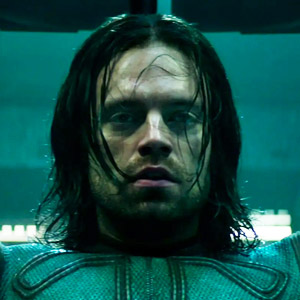
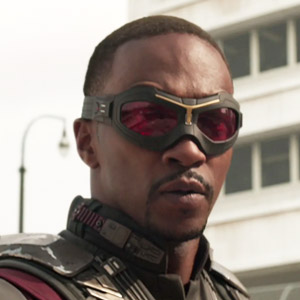
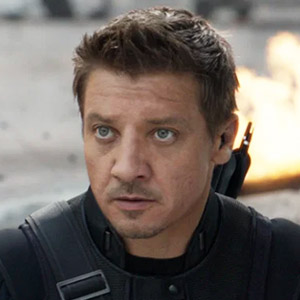
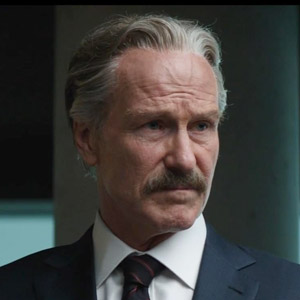
In 1991, Hydra agents embedded within the Russian military reactivate the Winter Soldier, pulling him from cryogenic suspension at a Siberian facility overseen by Vasily Karpov. Using a series of hypnotic trigger words, they restore his conditioning and deploy him on an assassination mission to intercept a passing vehicle and eliminate its occupants, reinforcing Hydra’s continued covert influence.
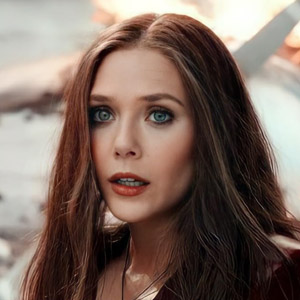
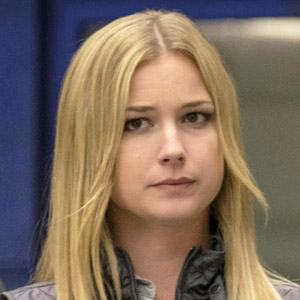
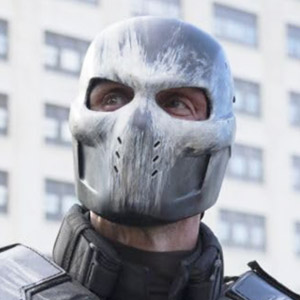
In the present day, the Avengers operate under increasing global scrutiny. Captain America, Black Widow, Falcon, and Scarlet Witch pursue Brock Rumlow in Lagos, where he attempts to steal a dangerous biological weapon from a research facility. Cornered by the team, Rumlow detonates a suicide bomb in an attempt to kill Captain America, but Scarlet Witch contains the blast. Her intervention prevents greater destruction, but she loses control of her powers in the process, accidentally causing an explosion that collapses a nearby building and kills Wakandan humanitarian workers. The incident triggers international outrage and intensifies calls for oversight of enhanced individuals.
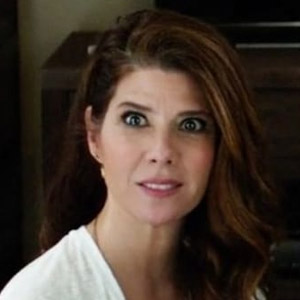
Meanwhile, Tony Stark publicly demonstrates his B.A.R.F. technology at MIT, a system allowing users to reconstruct and experience past memories in immersive detail. Despite the innovation, Stark is emotionally destabilized afterward when confronted by reminders of his fractured relationship with Pepper Potts and by a grieving mother who blames him for her son’s death during the Battle of Sokovia. The weight of civilian casualties tied to the Avengers’ actions deepens Stark’s guilt and influences his growing support for regulation.
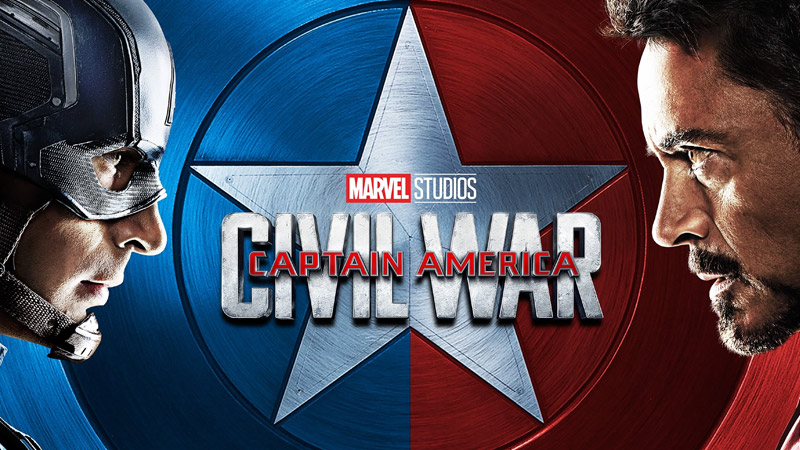
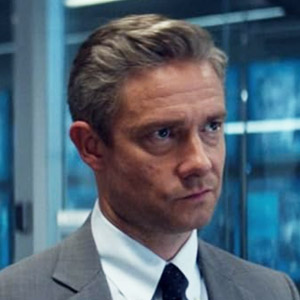
In response to mounting global pressure, Thaddeus Ross informs the Avengers that the United Nations has ratified the Sokovia Accords, backed by 117 nations. The agreement would place the Avengers under direct international control, regulating when and where they can operate. Stark supports the Accords, believing accountability is necessary after repeated collateral damage, while Steve Rogers strongly opposes them, fearing the Avengers will become politically compromised or weaponized by corrupt powers.
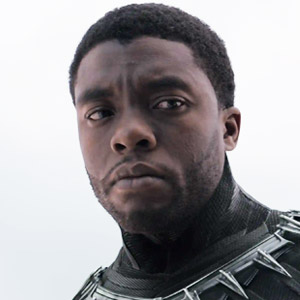
Tensions escalate further when a bombing at the Vienna signing ceremony kills King T’Chaka of Wakanda. Surveillance footage identifies the Winter Soldier as the attacker, leading T’Challa, T’Chaka’s son, to swear vengeance. Steve Rogers, believing Bucky Barnes is being framed or manipulated, defies orders and attempts to protect him. With help from Sam Wilson, Rogers tracks Barnes down, but all three are eventually captured following a pursuit through Bucharest.
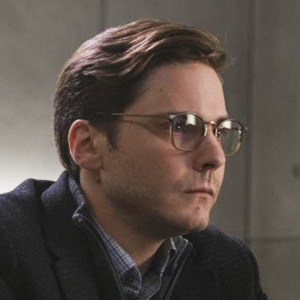
In custody, Barnes is evaluated by authorities, but a coordinated explosion disables containment systems. Baron Zemo, operating in secret, triggers Hydra’s trigger words to reassert control over Barnes and send him into a violent rampage. Rogers and Wilson attempt to restrain him, but Zemo escapes during the chaos. Barnes is eventually subdued and reveals to Rogers that Zemo is heading to a hidden Hydra facility in Siberia, where other Winter Soldiers were created using stolen super soldier serum.
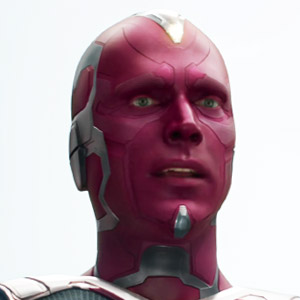
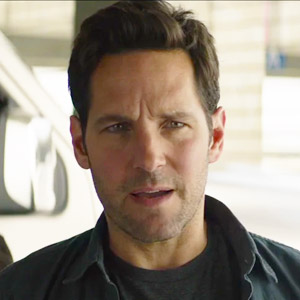
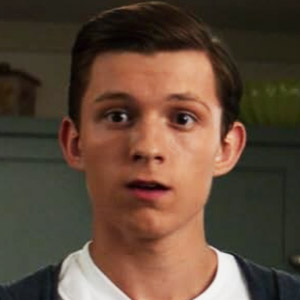
Believing Zemo plans to activate a squad of enhanced assassins, Rogers assembles allies. Clint Barton is recruited from retirement to help free Wanda Maximoff from confinement at the Avengers Compound, convincing her to join their cause. Scott Lang is also brought into the fold after being impressed by his abilities. Meanwhile, Tony Stark forms his own government-sanctioned team, including Natasha Romanoff, T’Challa, James Rhodes, and Vision, and later recruits Peter Parker, a young vigilante operating in Queens as Spider-Man.
The conflict culminates at Leipzig-Halle Airport, where Rogers’ faction attempts to escape the country while Stark’s team moves to stop them. The confrontation escalates into a large-scale battle between Avengers. Ant-Man dramatically shifts the fight by becoming Giant-Man, allowing Rogers and Barnes a chance to escape aboard a Quinjet. Natasha Romanoff ultimately allows them to leave, unable to fully commit to either side. In the aftermath, several Avengers are detained, while Rhodes is critically injured when Vision accidentally strikes him, leaving him paralyzed.
Stark later uncovers evidence suggesting Barnes was framed by Zemo and travels to the Raft, a high-security prison holding the captured Avengers. After briefly disabling its systems, he learns Rogers’ destination and pursues him to Siberia, accompanied by T’Challa, who seeks justice but begins questioning vengeance.
In Siberia, Rogers, Barnes, and Stark discover that Zemo has already killed the remaining Winter Soldiers, confirming his true objective was never to create more super soldiers but to destroy the Avengers from within. Zemo reveals that he is a Sokovian who lost his family during Ultron’s destruction of Sokovia, and he engineered the Avengers’ conflict as revenge.
Zemo presents Stark with footage revealing that Barnes, while under Hydra control in 1991, assassinated Tony Stark’s parents. Enraged and devastated, Stark attacks Barnes and Rogers. Rogers admits he knew the truth about the Starks’ deaths, further intensifying the conflict. A brutal fight breaks out, ending with Rogers disabling Stark’s armor and ultimately abandoning his shield, symbolically rejecting his role as Captain America.
In the aftermath, T’Challa confronts Zemo, but instead of killing him, chooses to break the cycle of vengeance and turns him over to authorities. The Avengers remain fractured, with Stark continuing operations in a diminished capacity and Rogers going into hiding with Barnes.
Rogers later sends Stark a letter expressing regret and reaffirming his belief that the Avengers will one day need to reunite. Stark begins constructing a mobility suit for Rhodes, who remains determined to continue despite his injuries. Rogers, Barnes, and other fugitives are granted asylum in Wakanda, where Barnes enters cryogenic stasis while seeking a cure for his conditioning.
Meanwhile, Peter Parker returns to his everyday life in Queens, struggling to explain his injuries to Aunt May without revealing his double identity. After she leaves, he explores a hidden feature built into his suit by Tony Stark and discovers advanced Stark-designed technology, signaling that his actions at the airport were only a glimpse of a much larger world of heroes and responsibility he has now been pulled into.